Learn about Korea
You can travel Korea knowing nothing about it and still have a good time. You will have a better one knowing a little — because so much of what you will see is a direct answer to something that happened here.
Korea is often introduced through its exports — the music, the dramas, the food, the phones. Those are real, and they are recent. Underneath is a much longer story, and it is the one that explains what you will actually be looking at.
A very short history
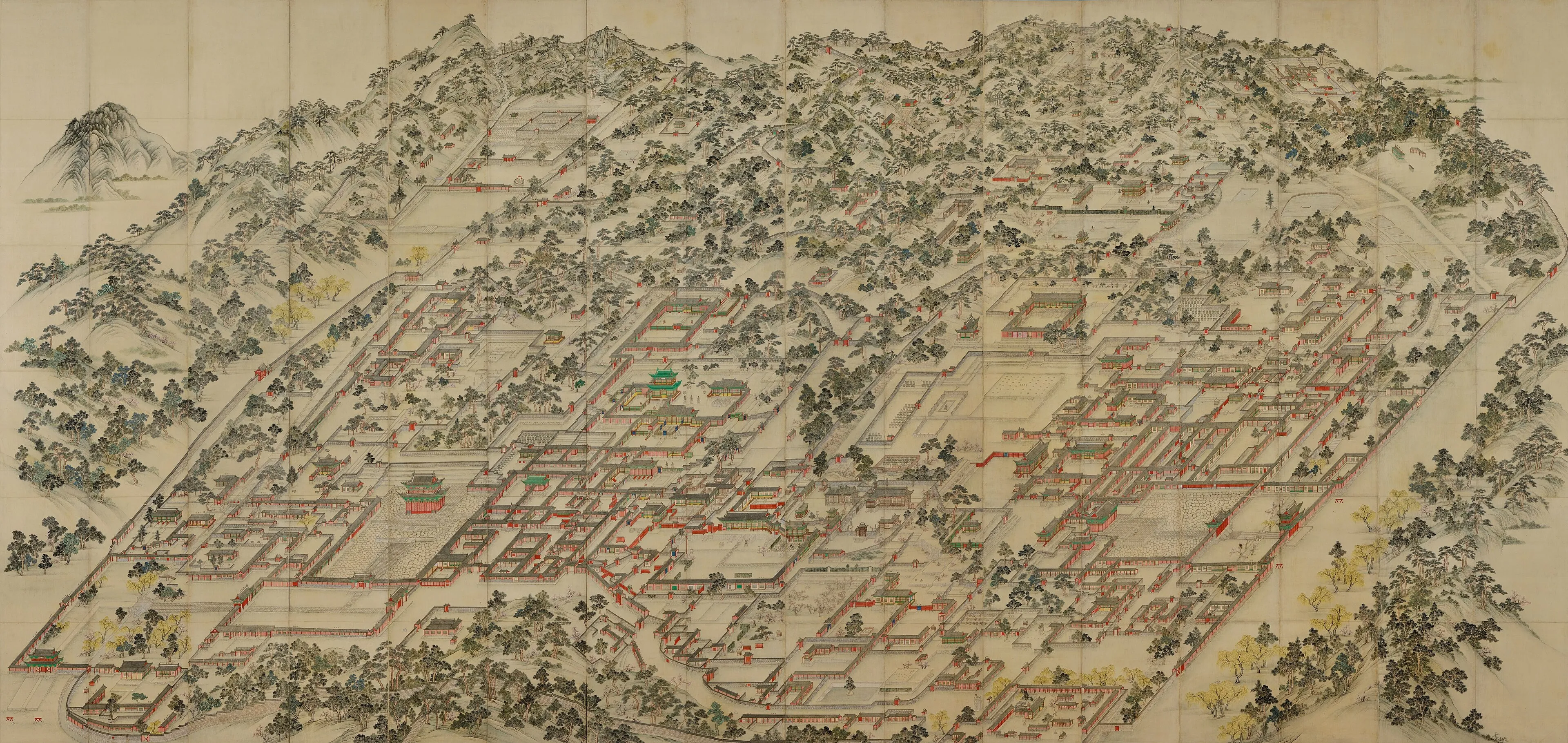
The peninsula has been continuously settled for millennia, unified under a series of dynasties, and repeatedly caught between larger neighbours. The Joseon dynasty ruled for five centuries and set most of what now reads as "traditional Korea": the palaces in Seoul, the Confucian social order, the hanok house, the scholarly aesthetic of white porcelain and plain wood.
The twentieth century then compressed several centuries of upheaval into a few decades — colonial occupation, division, war, dictatorship, and an economic transformation with few parallels anywhere. A country that was among the world's poorest in the 1950s now builds the ships, the chips and the pop culture that the rest of the world buys.
That compression is visible everywhere. A Joseon palace gate opens onto a street of glass towers, and both are the same country.
The language
Korean is written in hangul, an alphabet commissioned in the fifteenth century under King Sejong and designed from scratch to be learnable by everyone — a deliberate break from the Chinese characters that literacy had previously required. Its letters are grouped into syllable blocks, and the consonant shapes are drawn from the position of the mouth that makes them.
It is one of the few writing systems in the world with a known inventor, a known date and a stated purpose. It is also genuinely quick to learn, which makes it the single highest-return thing a traveller can study before coming. Start with the language section.
How people behave
Korean social life is organised around relative age and status to a degree that is easy to miss and hard to unsee once noticed. It shows up in the grammar, in who pours whose drink, in who sits where, and in the two-handed gesture used when giving or receiving anything of significance.
None of it is a test you can fail as a visitor. But understanding the logic turns a lot of otherwise puzzling behaviour into something readable. The etiquette section covers the situations travellers actually meet — greetings, meals, drinking, and the things not to do with chopsticks.
Where this connects to your trip
History explains the palaces and the fortresses; the language explains the signs; etiquette explains the restaurants. Any of the three will make the country less opaque, and all three take less time to absorb than the flight over.
Guides in Learn about Korea
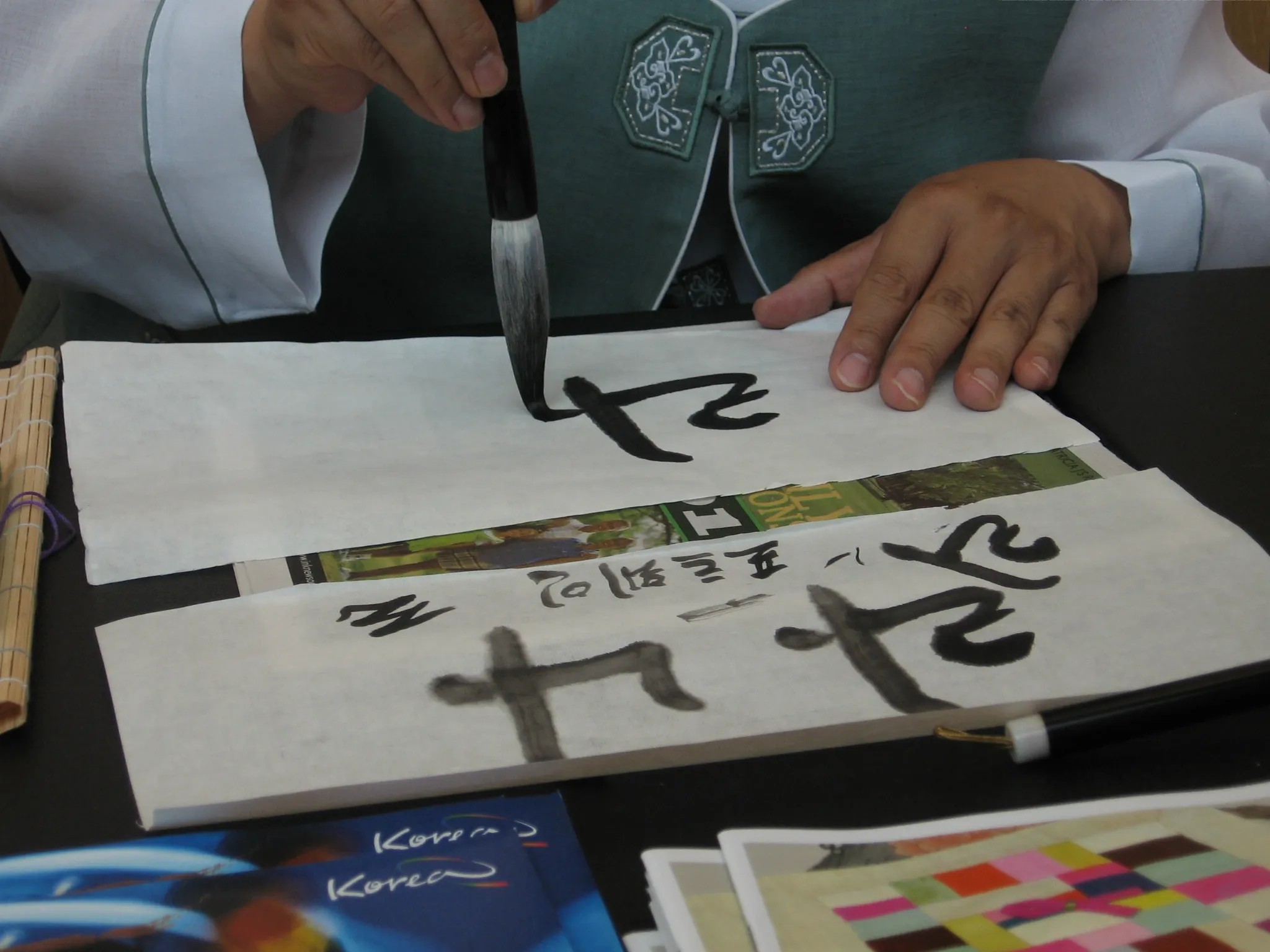
The Korean language
How Korean works, why its alphabet is unusually easy to learn, and what is genuinely worth studying before a trip — from reading signs to ordering a meal.
Read more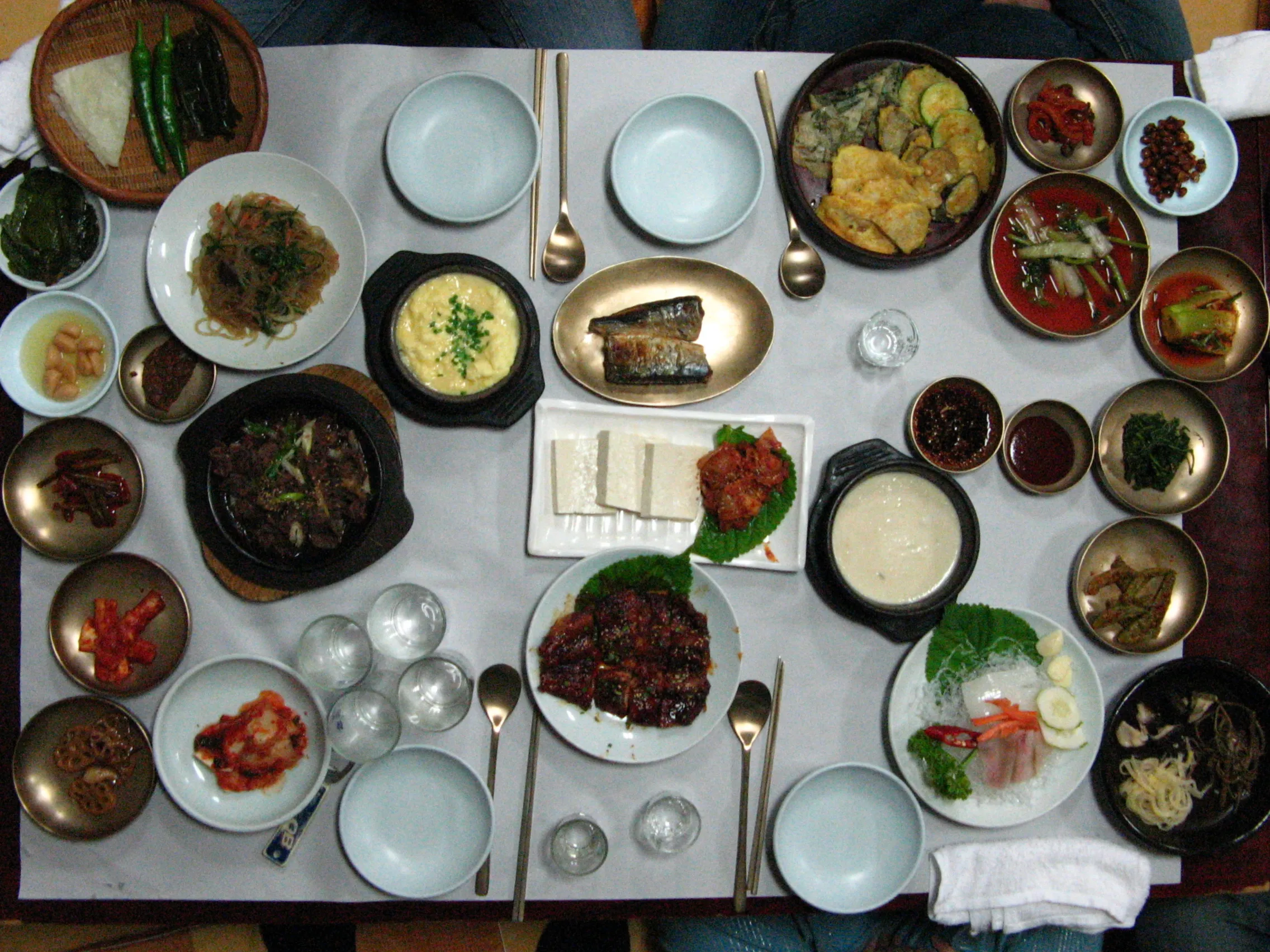
Korean etiquette
The everyday manners that shape Korean life — greetings, two hands, shoes indoors, table and drinking customs — and the few mistakes worth actually avoiding.
Read moreCommon questions
How hard is Korean to learn?
The alphabet is famously easy — most people can sound out signs after an hour or two. The grammar and the honorific system are hard. For a trip, learning to read hangul is high-value and low-effort; learning to speak is a longer project.
Will I cause offence by getting etiquette wrong?
Almost never. Koreans are used to visitors and are forgiving about it. Getting a few things right — two hands, shoes off, no tipping — is noticed and appreciated rather than expected.
Is South Korea safe?
Very. Violent crime is rare, cities are safe to walk at night, and lost property has a good chance of coming back to you. Ordinary urban caution is enough.