Getting around South Korea
Korea is a small, densely connected country with excellent public transport. You can see most of it without ever renting a car — and for the cities, you actively should not.
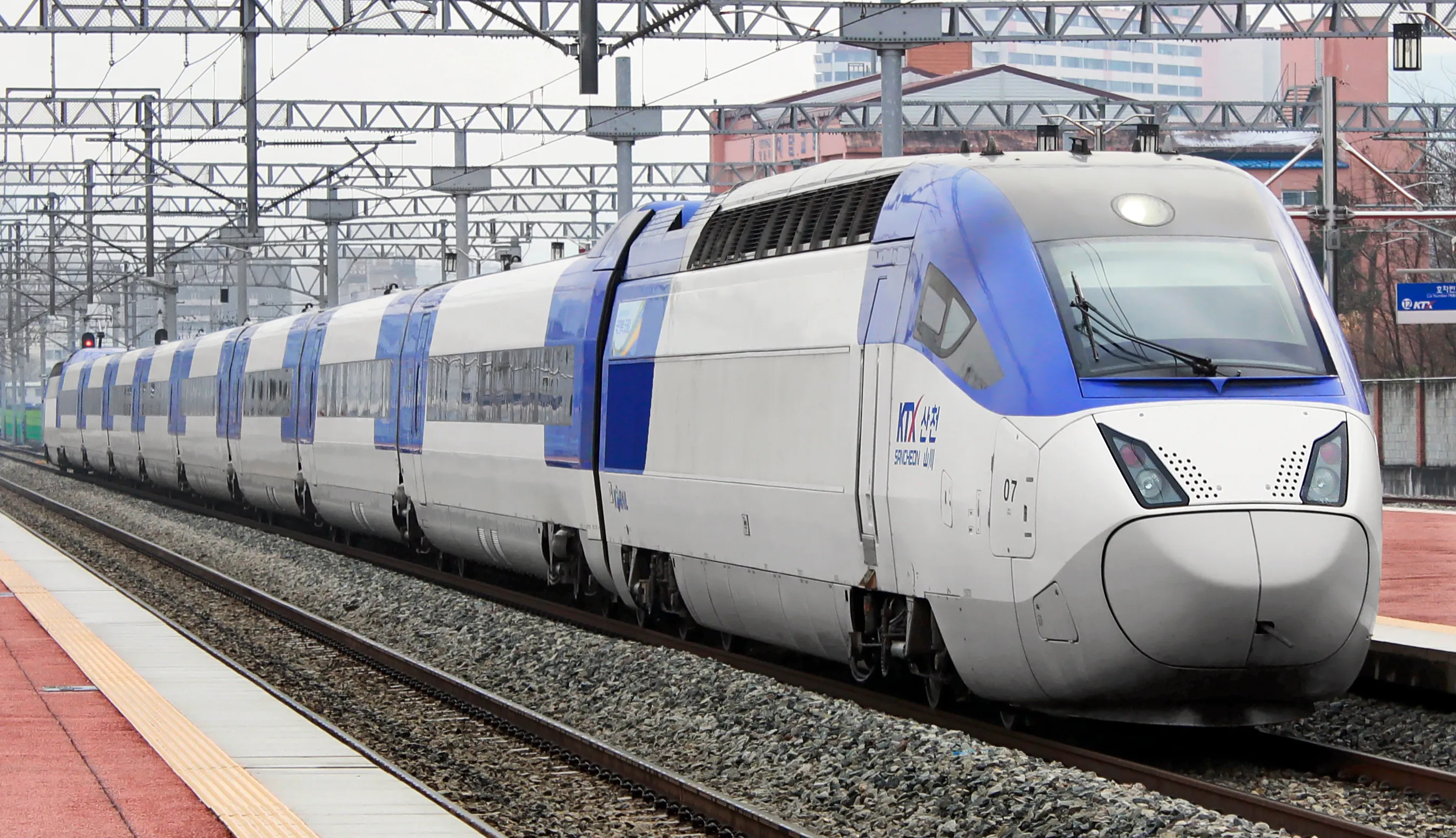
Korea rewards travellers who use its public transport. The country is about the size of Portugal, the high-speed network links the major cities in a couple of hours, and city transit is cheap, frequent and legible in English.
The high-speed spine
The KTX is the backbone: Seoul to Busan in under three hours, with branches serving the west coast, the south-west and the east. A second operator, SRT, runs a parallel high-speed service from a different Seoul station on some of the same corridors — worth checking when the KTX you want is full.
Book ahead for weekends and holidays. Midweek, buying at the station an hour before departure is usually fine.
Intercity buses, which are better than they sound
Where the train does not go, the bus does — and Korea's express buses are genuinely comfortable, often with wide reclining seats in three-across configuration. Every town of any size has a terminal, departures are frequent, and fares undercut the train.
For destinations off the rail network, the bus is not a fallback. It is the primary option.
In the cities
Seoul's subway is one of the world's largest and easiest to use: numbered and colour-coded lines, English signage and announcements throughout, and mobile signal in the tunnels. Busan, Daegu, Daejeon and Gwangju have their own systems on the same principles.
City buses are cheaper still and cover the gaps the subway leaves, though route information is thinner in English. Taxis are inexpensive by international standards and easy to hail or summon by app.
Whatever you use, you tap the same card.
Ferries and islands
Korea has thousands of islands, and a network of domestic ferries serves them from ports along the south and west coasts. International routes run to Japan and China. Schedules are seasonal and weather-dependent — this is the one part of the system where you should build slack into a plan.
Flying inside Korea
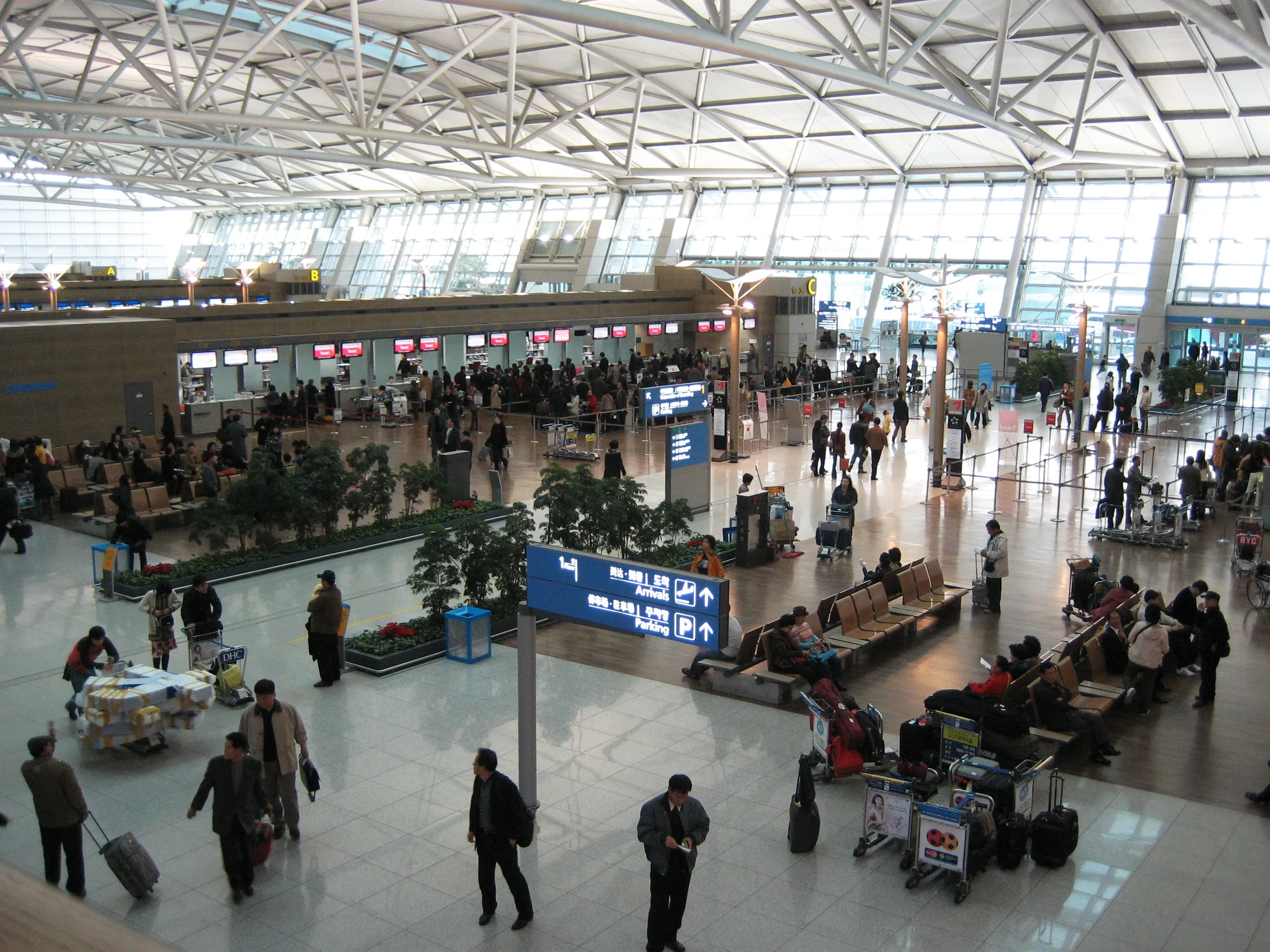
Domestic flights matter for exactly one route in practice: the mainland to Jeju. Everything else is faster or barely slower by train once you count airport transfer time. See airports and flights for how the two mainland airports divide the work.
What to sort first
Get a transit card in your hand at the airport or the first convenience store you pass, and settle whether your itinerary needs advance KTX bookings. Those two decisions cover most of the friction. The rest of this section goes into each mode in turn.
Guides in Transportation
More guides on the way
These pages are being written right now. They will appear here as soon as they are published.
- Ferries
- Seoul subway map
- T-money & transit cards
Common questions
Do I need a rail pass?
Usually not. Korea is compact enough that a handful of point-to-point KTX tickets often costs less than a pass, and passes only pay off on itineraries with several long hops in a short window. Price your actual route both ways before buying.
Should I rent a car?
Not for Seoul or Busan, where parking is scarce and the subway is faster. Jeju is the clear exception — the island's interior and coastal sights are poorly served by bus, and most visitors rent.
Is one transit card enough for the whole country?
Broadly yes. A T-money card works on subways and city buses in Seoul, Busan and most other cities, and at convenience stores. It does not cover KTX seat reservations, which are booked separately.